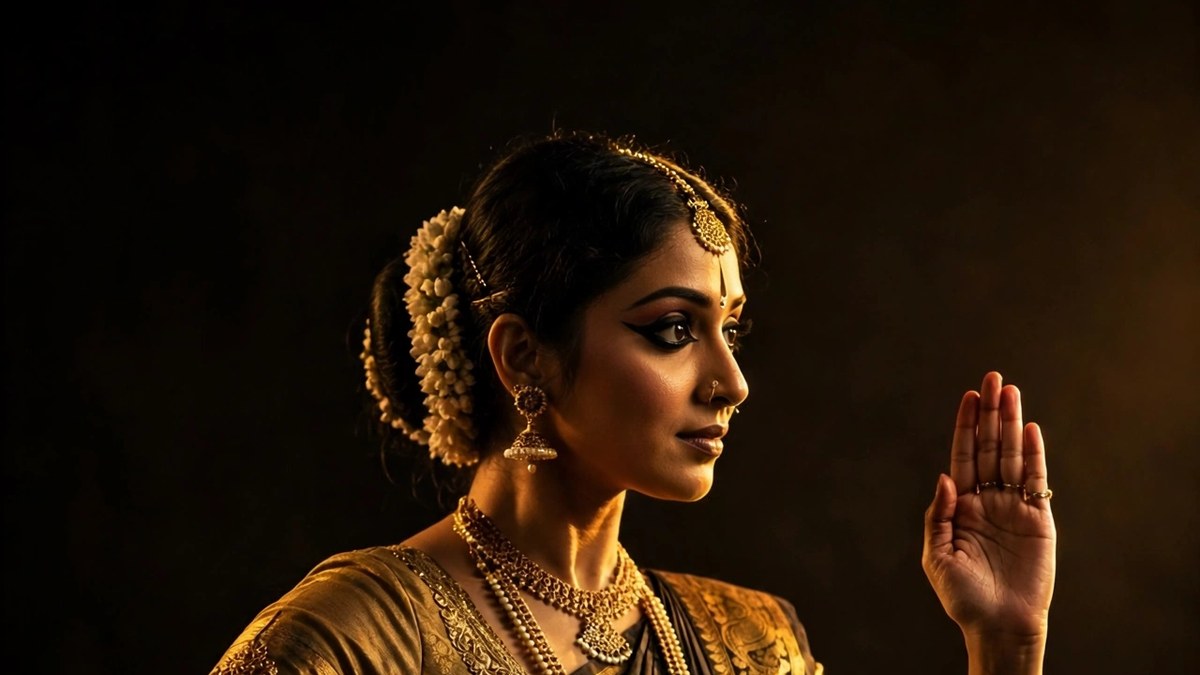
Classical Indian Dance
The classical tradition as a whole — grace, structure and storytelling.
Born
Ancient — rooted in the Natya Shastra
Where
India — across regions and traditions
Founded by
No single founder — a family of traditions including Bharatnatyam, Kathak, Odissi and Kuchipudi
The History
Indian classical dance is not one dance but a family of traditions, each with its own region, music and technique, all rooted in the Natya Shastra, the ancient Sanskrit text on performing arts attributed to Sage Bharata.
What they share is discipline: precise rhythm, a vocabulary of gestures (mudras), expressive storytelling (abhinaya), and years of structured training under a guru. A classical dancer learns to hold a posture, tell a story with the eyes and hands, and move with complete control.
At MOBS, classical training builds the foundation that makes every other style stronger — posture, balance, rhythm and expression — whether a student goes on to specialise in Bharatnatyam or simply wants classical grace in their dancing.
The MOBS Way
We focus on the purity of form and the deep connection between the dancer and the music.
Its Elements
What You'll Learn
- → Rhythm Foundations
- → Mudras & Gestures
- → Classical Storytelling
- → Performance Grace
Essentials
Classical dance attire and Ghungroos.
Enhanced balance, cultural awareness, and physical endurance.