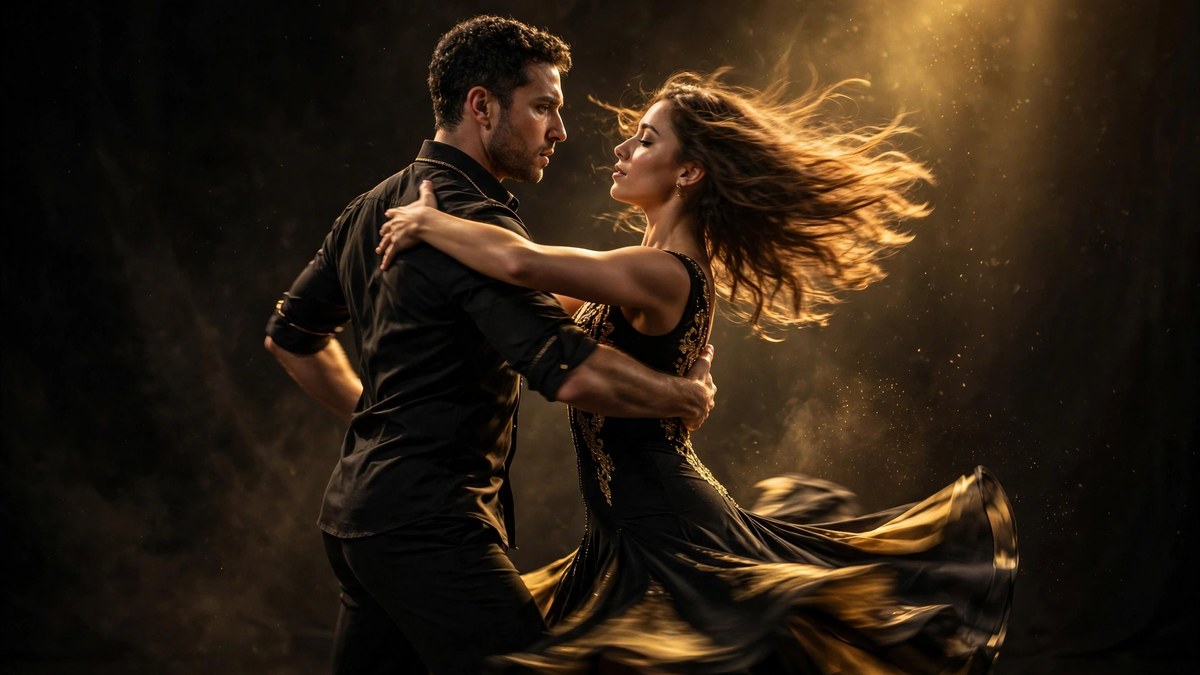
Salsa
Cuba's son, New York's streets — a partner dance built on rhythm and connection.
Born
1920s roots; modern form shaped in 1960s–70s New York
Where
Cuba → New York City's Latino communities, USA
Founded by
No single founder — a fusion of Cuban, Puerto Rican and Latin American traditions
The History
Salsa grew from Cuban son, the music and dance of 1920s Cuba that blended Spanish guitar and African-derived percussion, with influences from mambo, cha-cha-cha, rumba and Puerto Rican bomba and plena.
When Cuban and Puerto Rican musicians and dancers moved to New York in the mid-20th century, those traditions fused in the city's Latino neighbourhoods into what the world now calls salsa. The name itself became popular in the 1960s–70s as a label for this hot, mixed sound — "salsa" means sauce.
Today there are several recognised styles — Cuban salsa (Casino), New York style ("Mambo on 2") and Los Angeles style ("On 1"), plus Cali-style from Colombia. At its heart, salsa is a partner dance: connection, timing on the clave rhythm, turns, shines and improvisation.
The MOBS Way
A social dance first — connection with your partner, musicality, and the joy of improvising together.
Its Elements
What You'll Learn
- → Basic Step & Timing
- → Partner Connection
- → Turns & Cross-Body Lead
- → Shines & Musicality
Essentials
Comfortable shoes that slide a little — dance shoes or smooth-soled sneakers.
Social confidence, coordination, and a dance you can take to any party in the world.